An exceptional example of one of the most important vintage Rolex references, this 1972 Rolex Day-Date ref. 1803 is presented in solid 18ct yellow gold and survives in remarkably sharp condition.
Introduced around 1960, the reference 1803 became the archetypal vintage Day-Date and remained in production until the late 1970s. It is particularly important as the final generation of Day-Date to retain the distinctive stepped “pie-pan” dial and acrylic crystal before Rolex moved to the flatter dials and sapphire crystals of the five-digit generation.
The solid 18ct yellow-gold Oyster case measures the classic 36mm excluding the crown. Condition is the key to this particular watch. The case is exceptionally sharp, with strong angular lugs, clearly defined edges and the original gold hallmarks, reference and serial markings remaining clearly visible. It appears to have escaped the heavy polishing suffered by so many gold Rolex watches of this period.
The case alone, including the movement, weighs approximately 53g.
Surrounding the dial is the iconic 18ct yellow-gold fluted bezel, which remains beautifully defined. Together with the sharp case profile it gives the watch an exceptionally crisp appearance for a Day-Date now more than fifty years old.
The champagne dial is equally impressive. It is an original Rolex dial and presents in virtually mint condition, with applied gold baton hour markers, matching hands, day aperture at 12 and magnified date at 3.
The dial shows essentially no ageing. Given its extraordinary condition, we believe it may potentially have received a very light sympathetic refinish at some point in its life, although this cannot be confirmed. We would rather state this possibility clearly than represent such an unusually pristine vintage dial as untouched with certainty.
Most importantly, it retains the wonderful stepped outer profile known to collectors as the “pie-pan” dial. The centre of the dial sits above the angled outer section, creating a depth and architecture that disappeared with the succeeding ref. 18038. This feature, together with the warm acrylic crystal, is a major reason why the four-digit 1803 remains so desirable.
Inside is Rolex’s automatic chronometer movement. By 1972 the ref. 1803 was powered by the 26-jewel calibre 1556, with 1972 also marking the introduction of hacking seconds to the movement. Unlike later Day-Dates, this generation does not feature quickset day or date.
The watch is fitted to a quality aftermarket brown leather strap with an aftermarket gold-tone buckle, a combination that suits the warm yellow-gold case particularly well.
It is accompanied by a period-correct Rolex Day-Date presentation box, an increasingly valuable collectible accessory in its own right, together with an authentic period Rolex Oyster booklet.
The Day-Date has occupied the top of Rolex’s range since its introduction in 1956, and the 1803 is arguably the reference that established the visual language most people now associate with the model: 36mm precious-metal Oyster case, fluted bezel, day displayed in full at 12, date beneath the Cyclops and the distinctive pie-pan dial.
A superb vintage Day-Date where condition really sets it apart. The combination of an exceptionally sharp solid-gold case, beautifully preserved champagne pie-pan dial, clearly visible hallmarks and markings, and period Rolex box and booklet makes this a particularly attractive example of the landmark ref. 1803.
An exceptional example of one of the most important vintage Rolex references, this 1972 Rolex Day-Date ref. 1803 is presented in solid 18ct yellow gold and survives in remarkably sharp condition.
Introduced around 1960, the reference 1803 became the archetypal vintage Day-Date and remained in production until the late 1970s. It is particularly important as the final generation of Day-Date to retain the distinctive stepped “pie-pan” dial and acrylic crystal before Rolex moved to the flatter dials and sapphire crystals of the five-digit generation.
The solid 18ct yellow-gold Oyster case measures the classic 36mm excluding the crown. Condition is the key to this particular watch. The case is exceptionally sharp, with strong angular lugs, clearly defined edges and the original gold hallmarks, reference and serial markings remaining clearly visible. It appears to have escaped the heavy polishing suffered by so many gold Rolex watches of this period.
The case alone, including the movement, weighs approximately 53g.
Surrounding the dial is the iconic 18ct yellow-gold fluted bezel, which remains beautifully defined. Together with the sharp case profile it gives the watch an exceptionally crisp appearance for a Day-Date now more than fifty years old.
The champagne dial is equally impressive. It is an original Rolex dial and presents in virtually mint condition, with applied gold baton hour markers, matching hands, day aperture at 12 and magnified date at 3.
The dial shows essentially no ageing. Given its extraordinary condition, we believe it may potentially have received a very light sympathetic refinish at some point in its life, although this cannot be confirmed. We would rather state this possibility clearly than represent such an unusually pristine vintage dial as untouched with certainty.
Most importantly, it retains the wonderful stepped outer profile known to collectors as the “pie-pan” dial. The centre of the dial sits above the angled outer section, creating a depth and architecture that disappeared with the succeeding ref. 18038. This feature, together with the warm acrylic crystal, is a major reason why the four-digit 1803 remains so desirable.
Inside is Rolex’s automatic chronometer movement. By 1972 the ref. 1803 was powered by the 26-jewel calibre 1556, with 1972 also marking the introduction of hacking seconds to the movement. Unlike later Day-Dates, this generation does not feature quickset day or date.
The watch is fitted to a quality aftermarket brown leather strap with an aftermarket gold-tone buckle, a combination that suits the warm yellow-gold case particularly well.
It is accompanied by a period-correct Rolex Day-Date presentation box, an increasingly valuable collectible accessory in its own right, together with an authentic period Rolex Oyster booklet.
The Day-Date has occupied the top of Rolex’s range since its introduction in 1956, and the 1803 is arguably the reference that established the visual language most people now associate with the model: 36mm precious-metal Oyster case, fluted bezel, day displayed in full at 12, date beneath the Cyclops and the distinctive pie-pan dial.
A superb vintage Day-Date where condition really sets it apart. The combination of an exceptionally sharp solid-gold case, beautifully preserved champagne pie-pan dial, clearly visible hallmarks and markings, and period Rolex box and booklet makes this a particularly attractive example of the landmark ref. 1803.

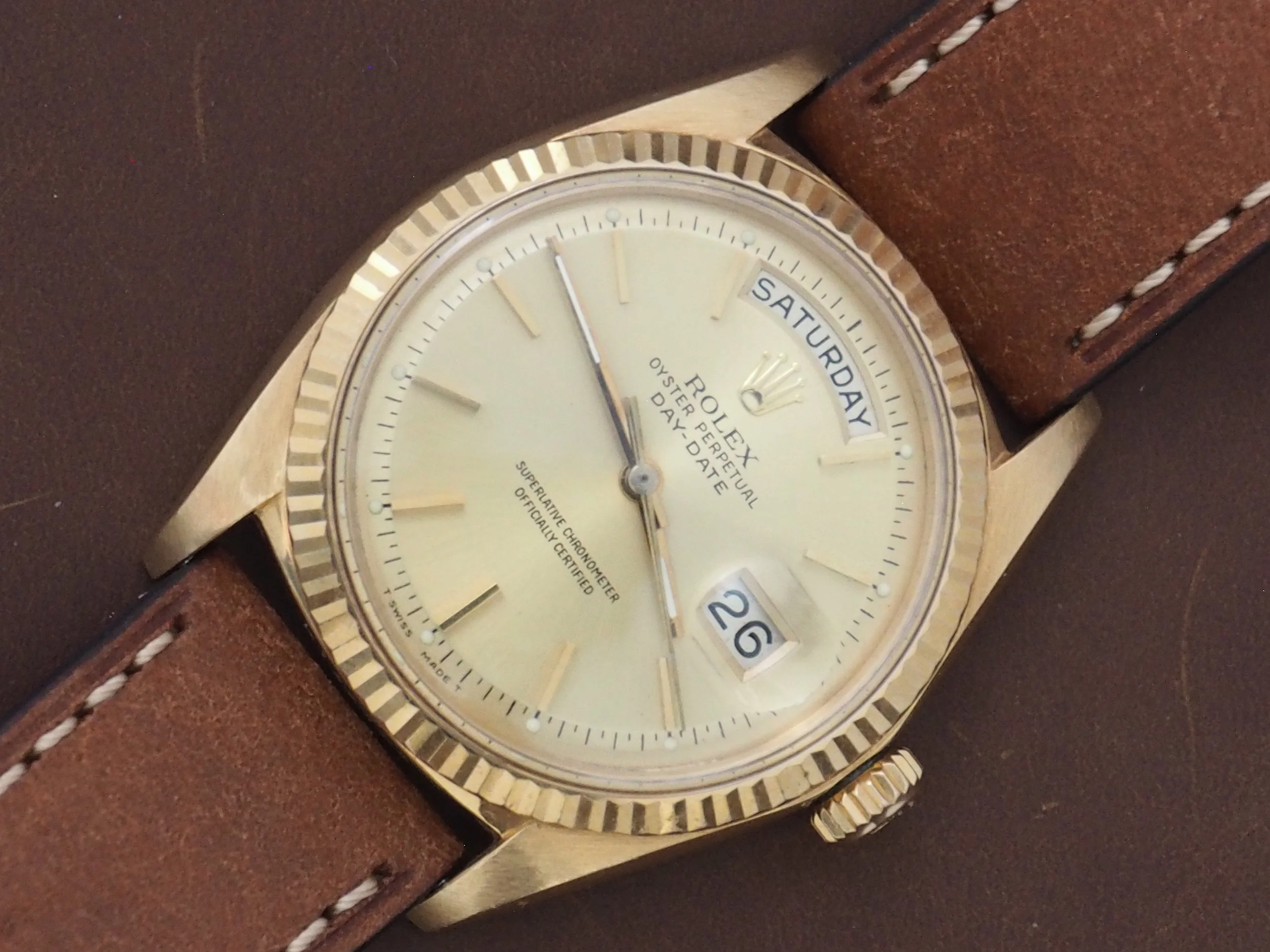 Image 1 of 10
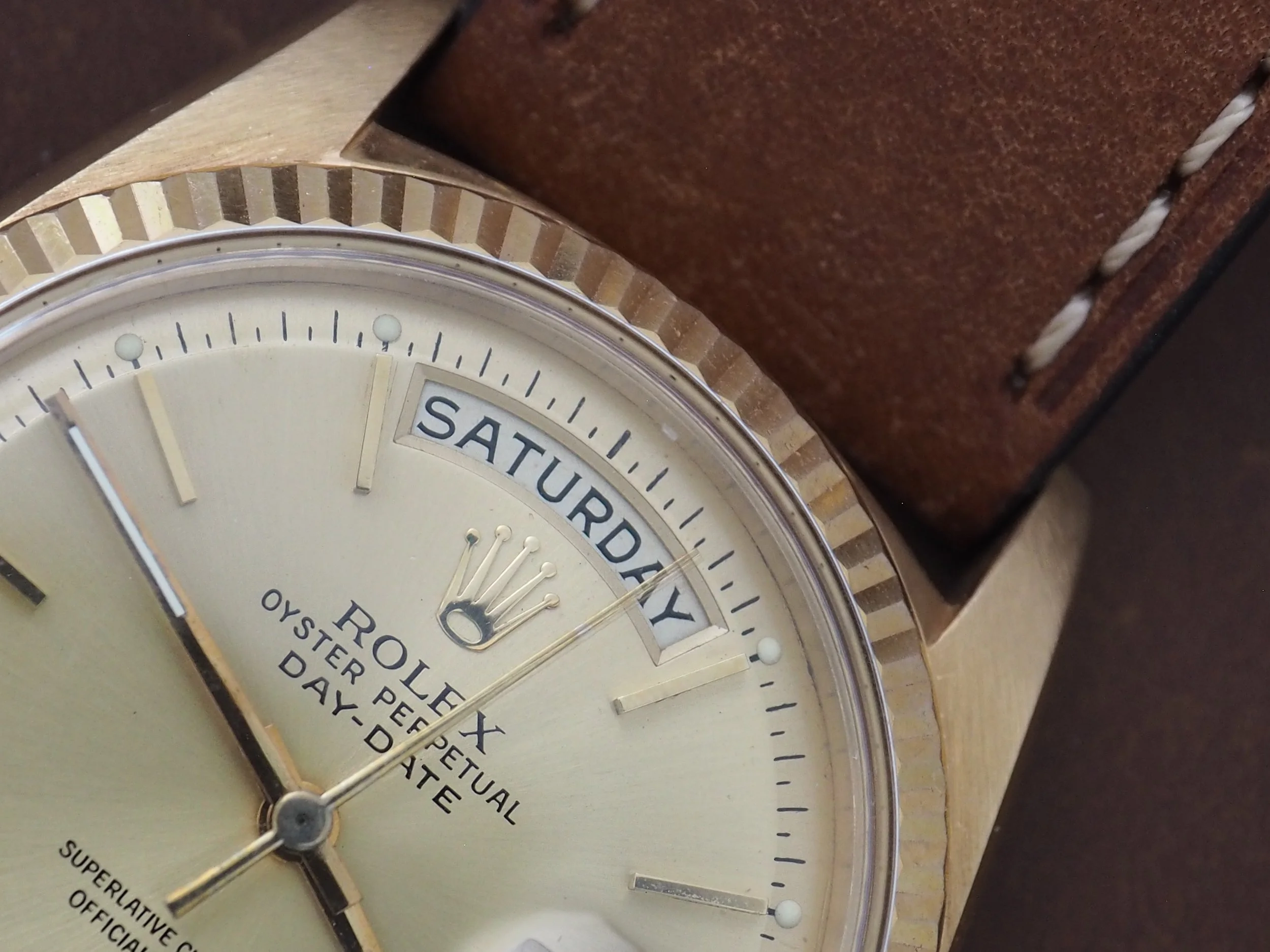 Image 2 of 10
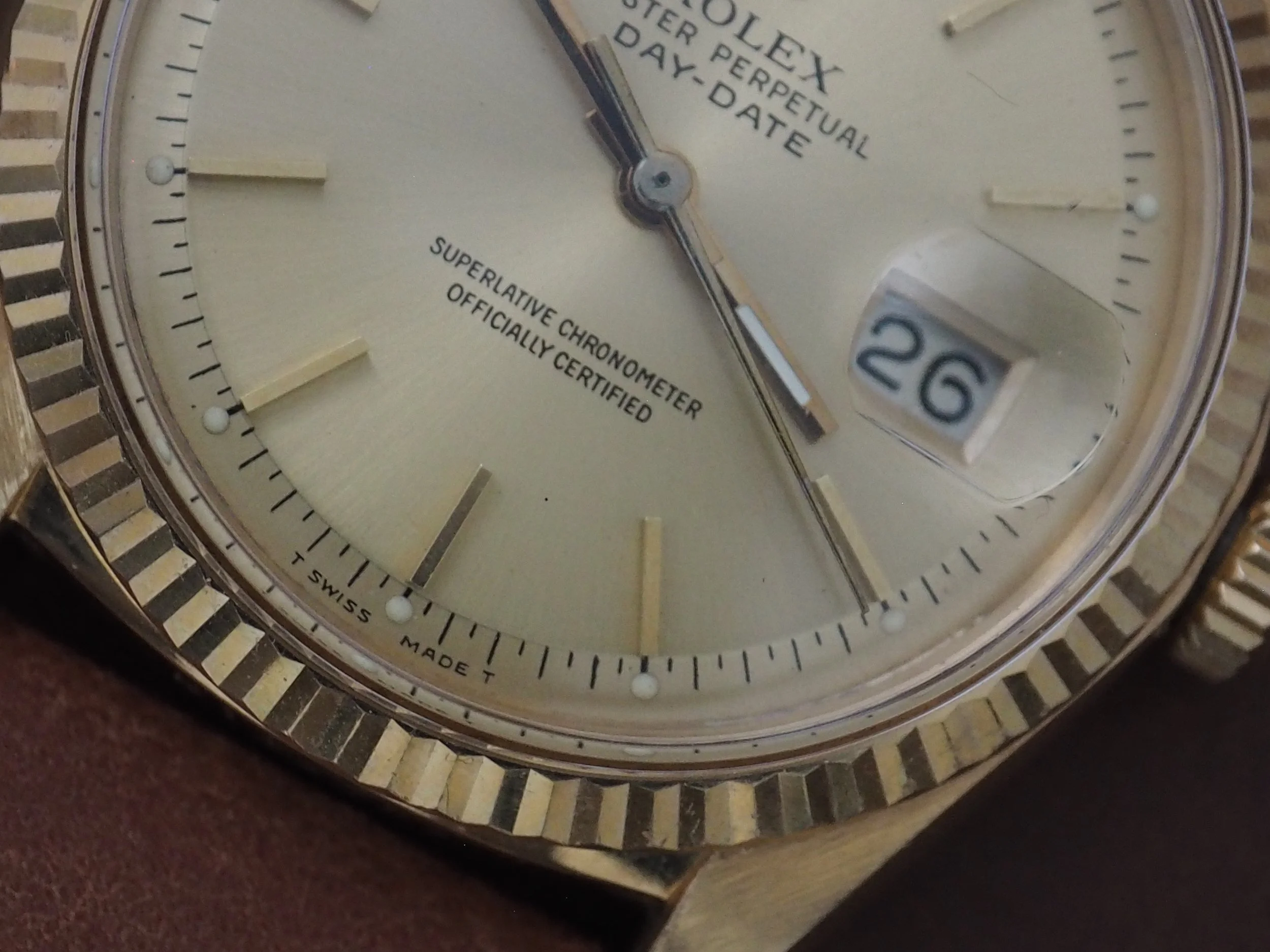 Image 3 of 10
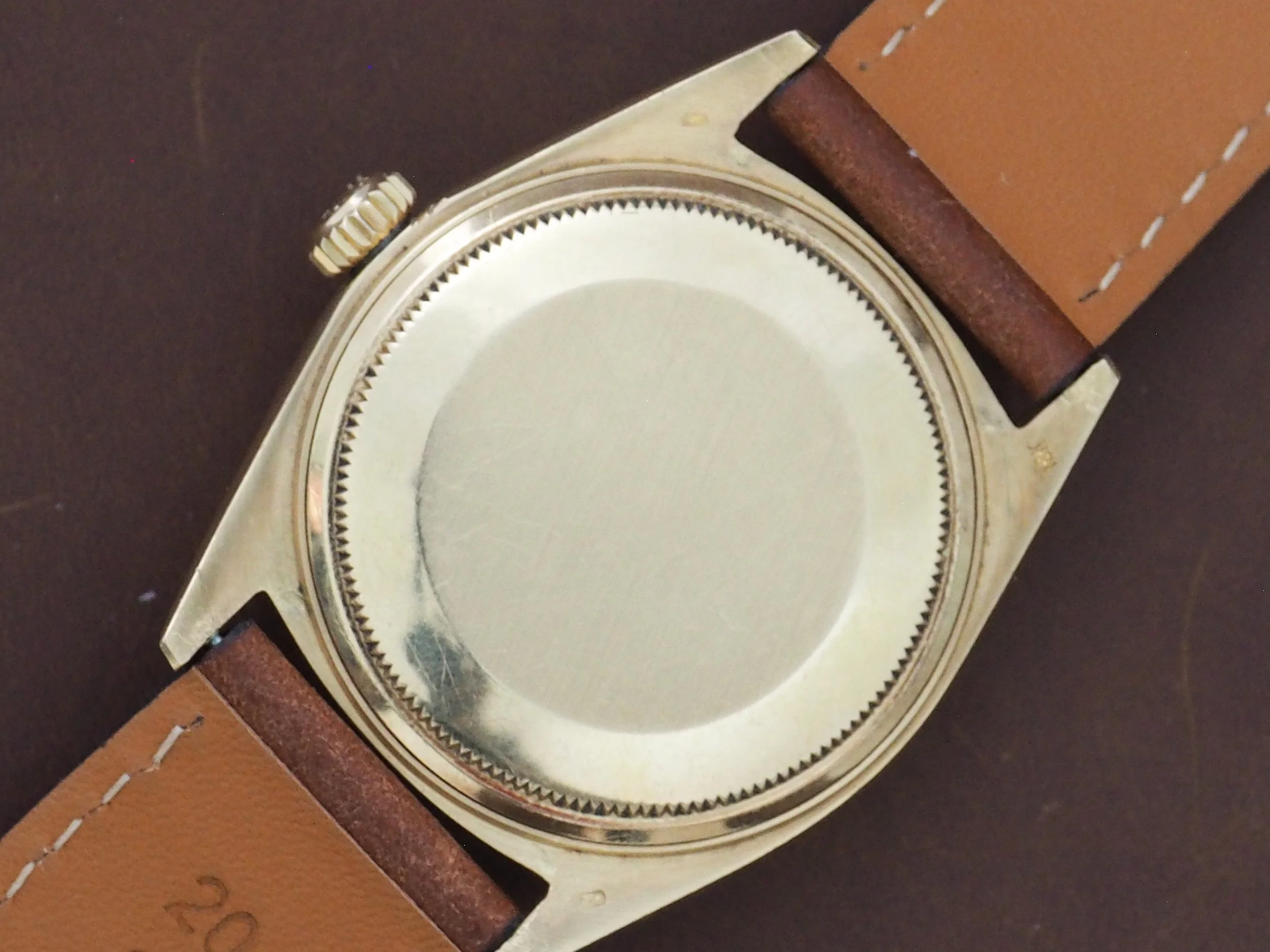 Image 4 of 10
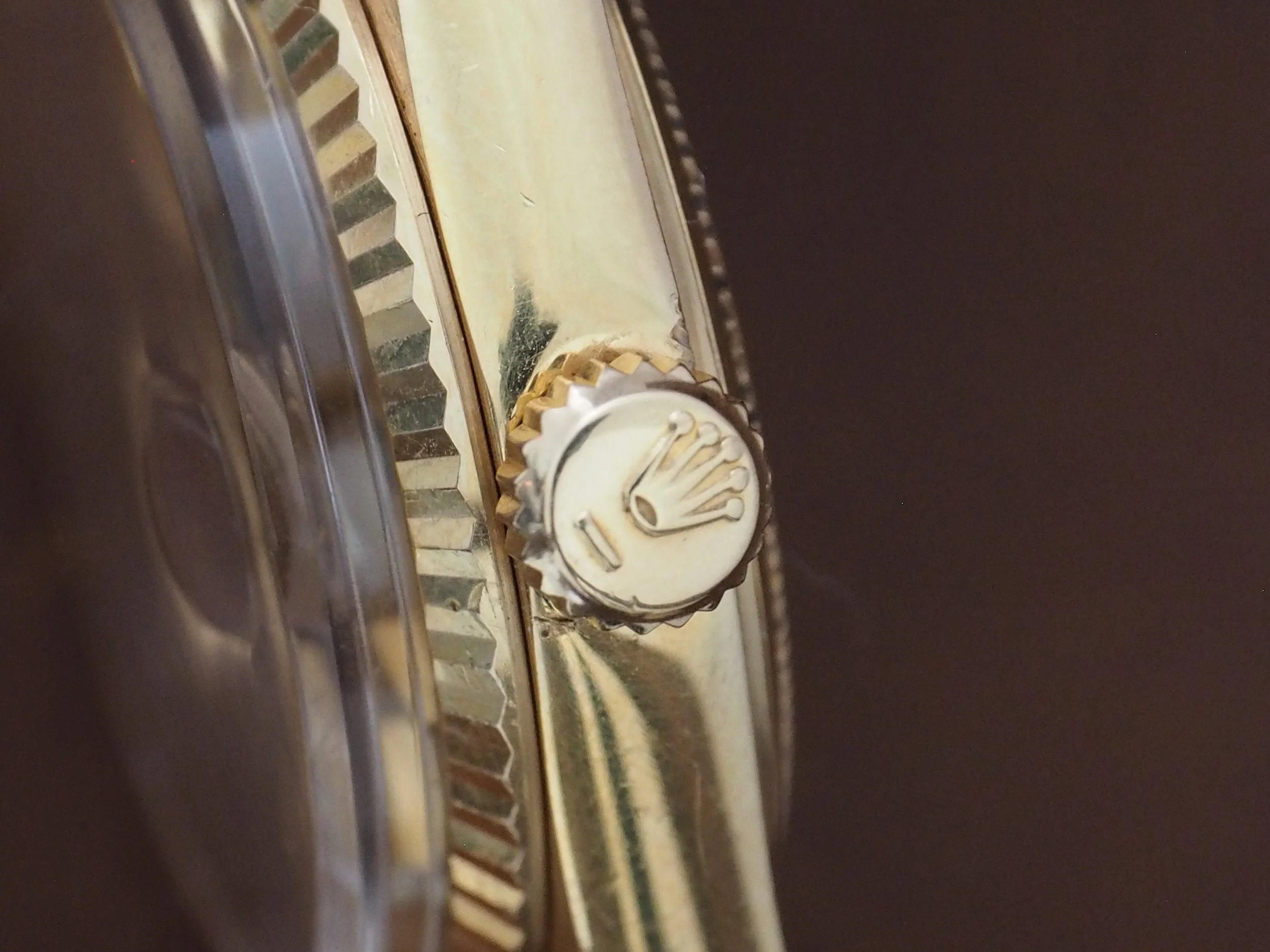 Image 5 of 10
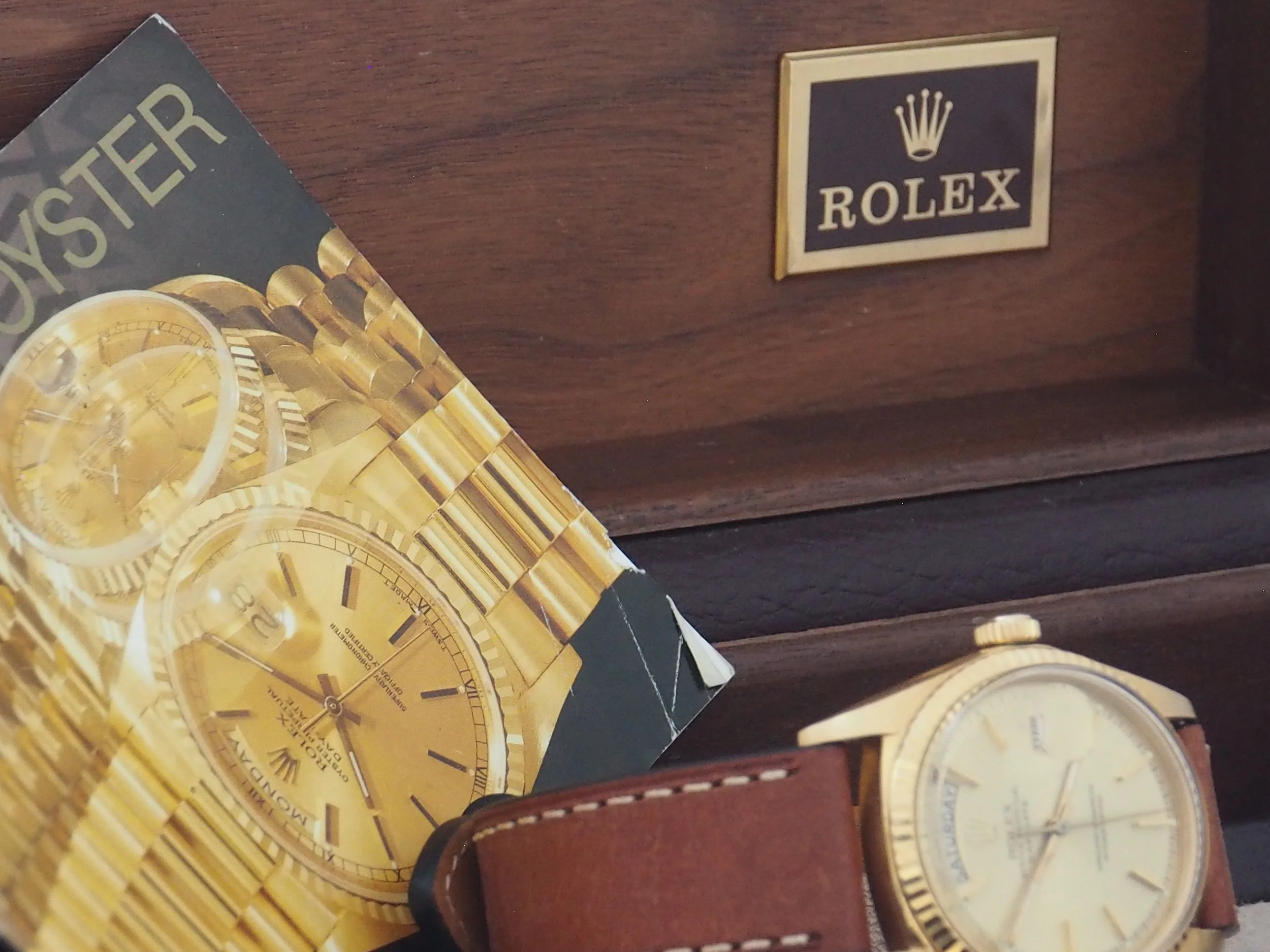 Image 6 of 10
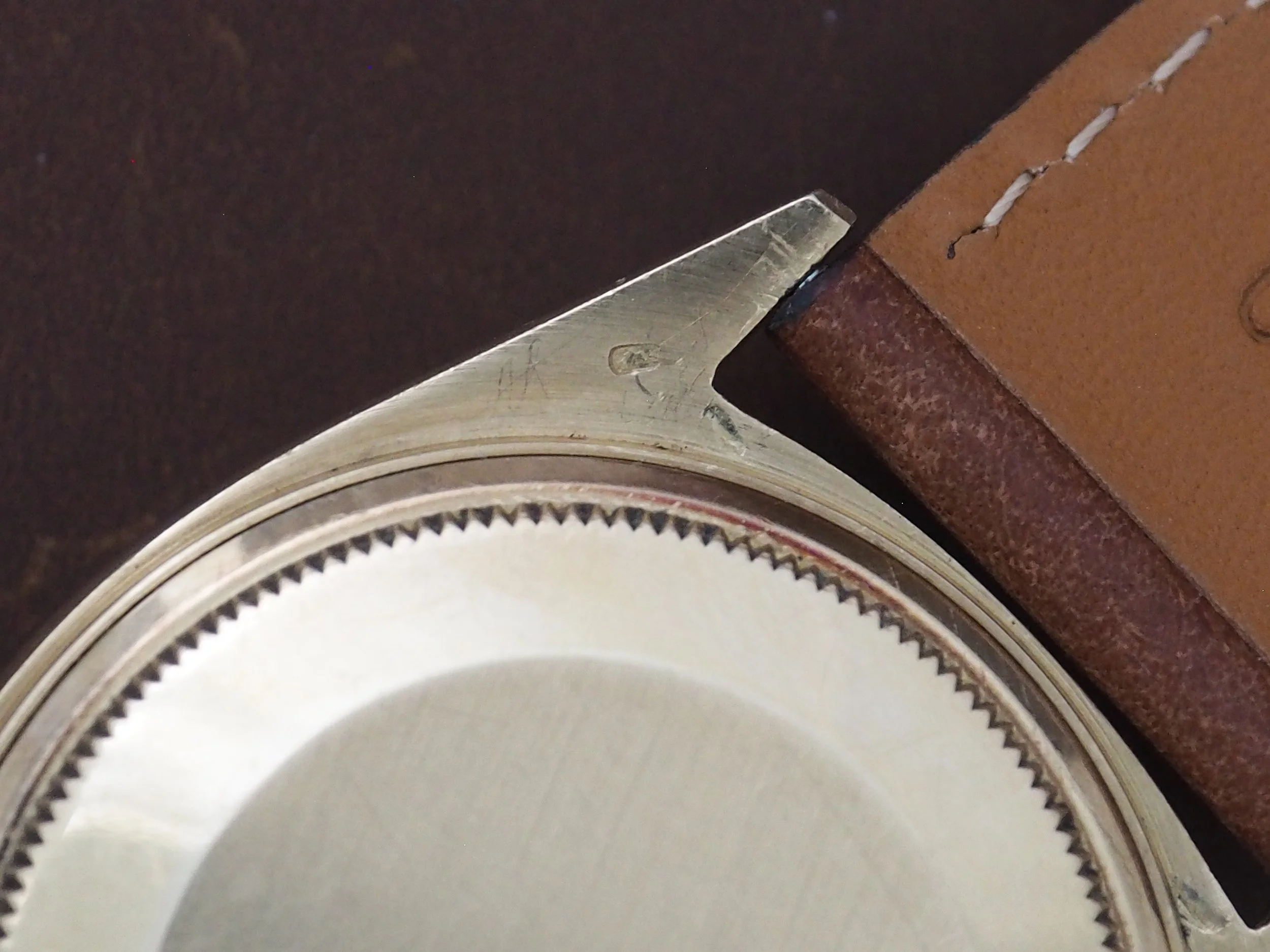 Image 7 of 10
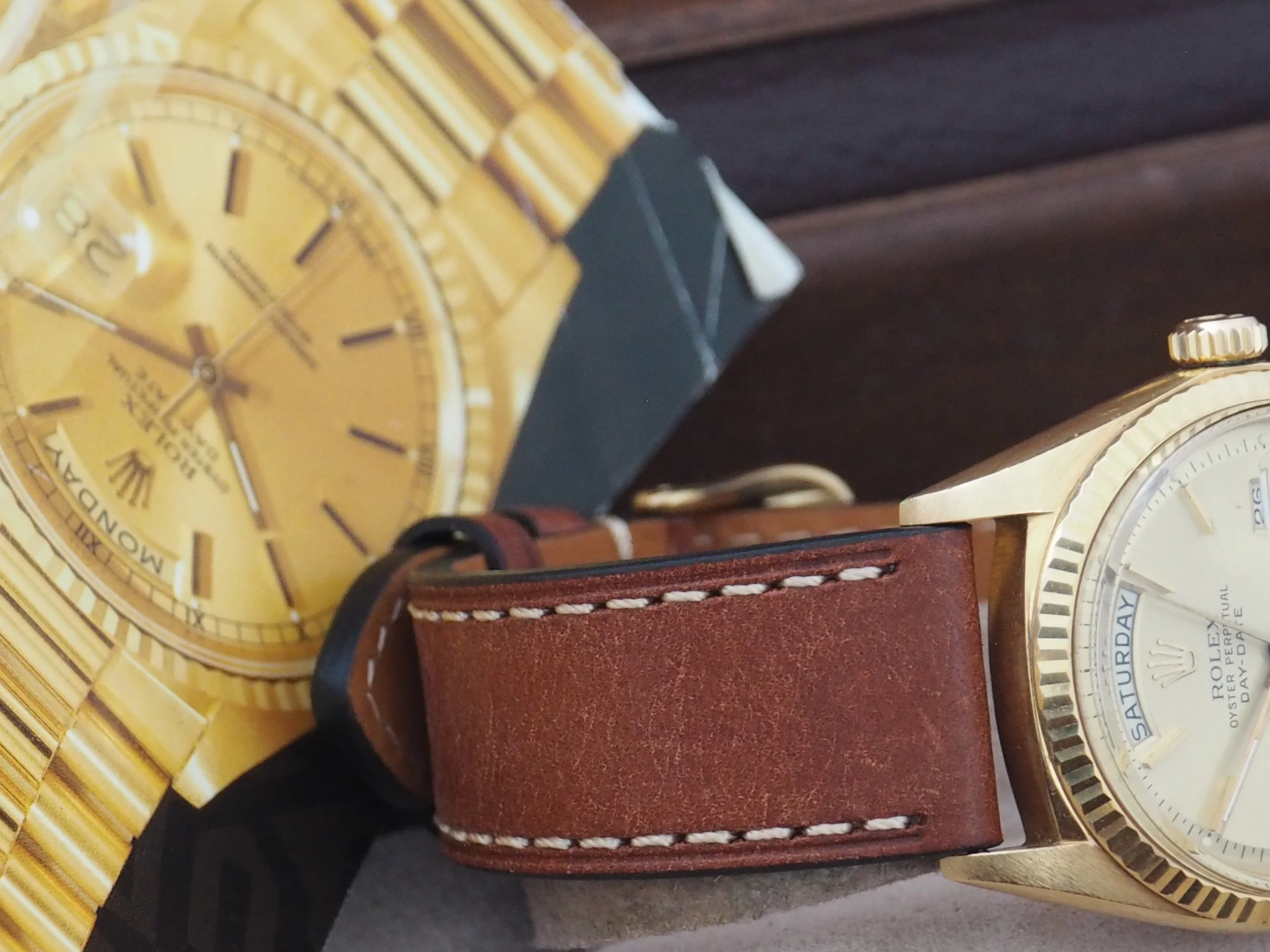 Image 8 of 10
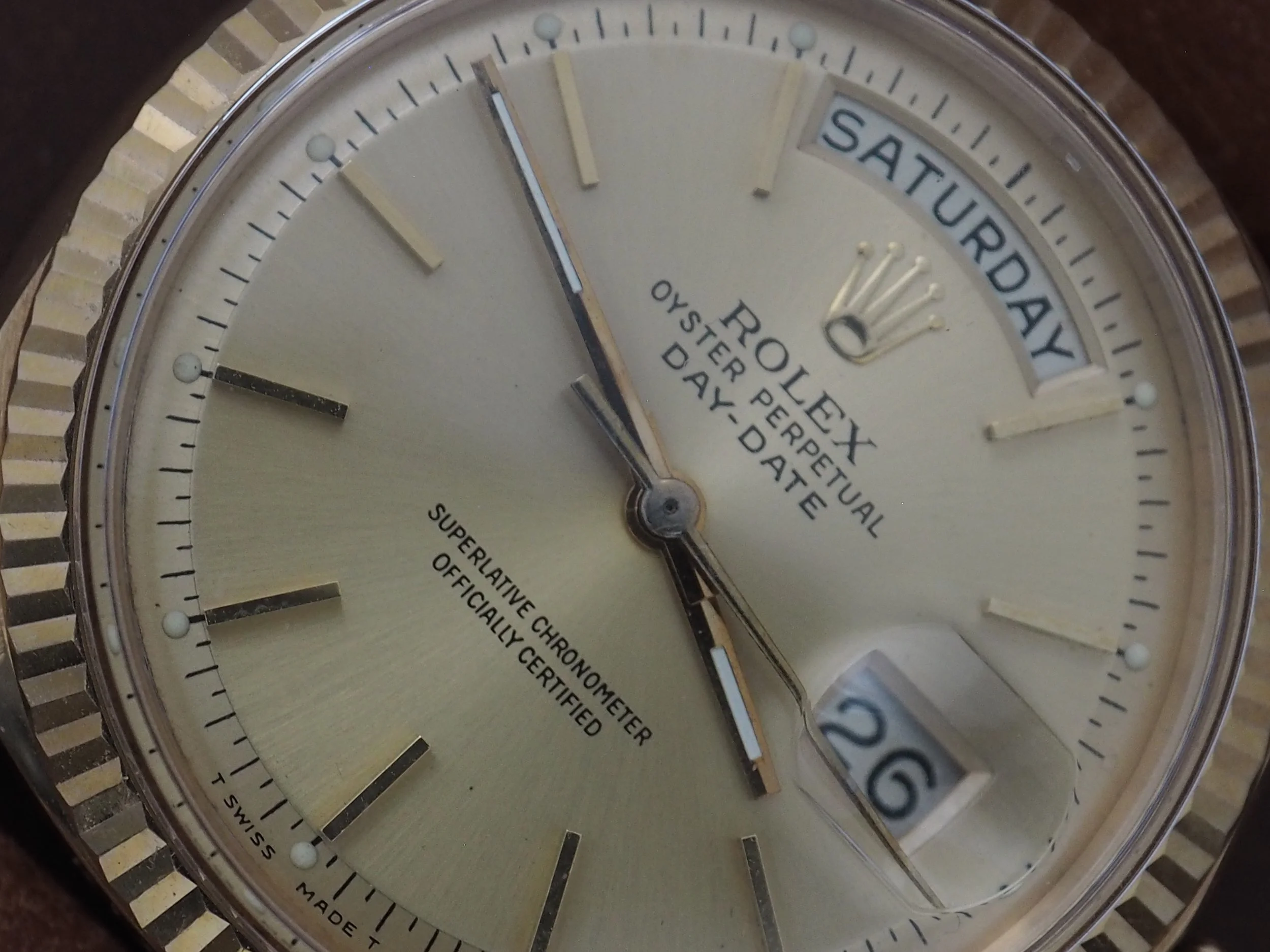 Image 9 of 10
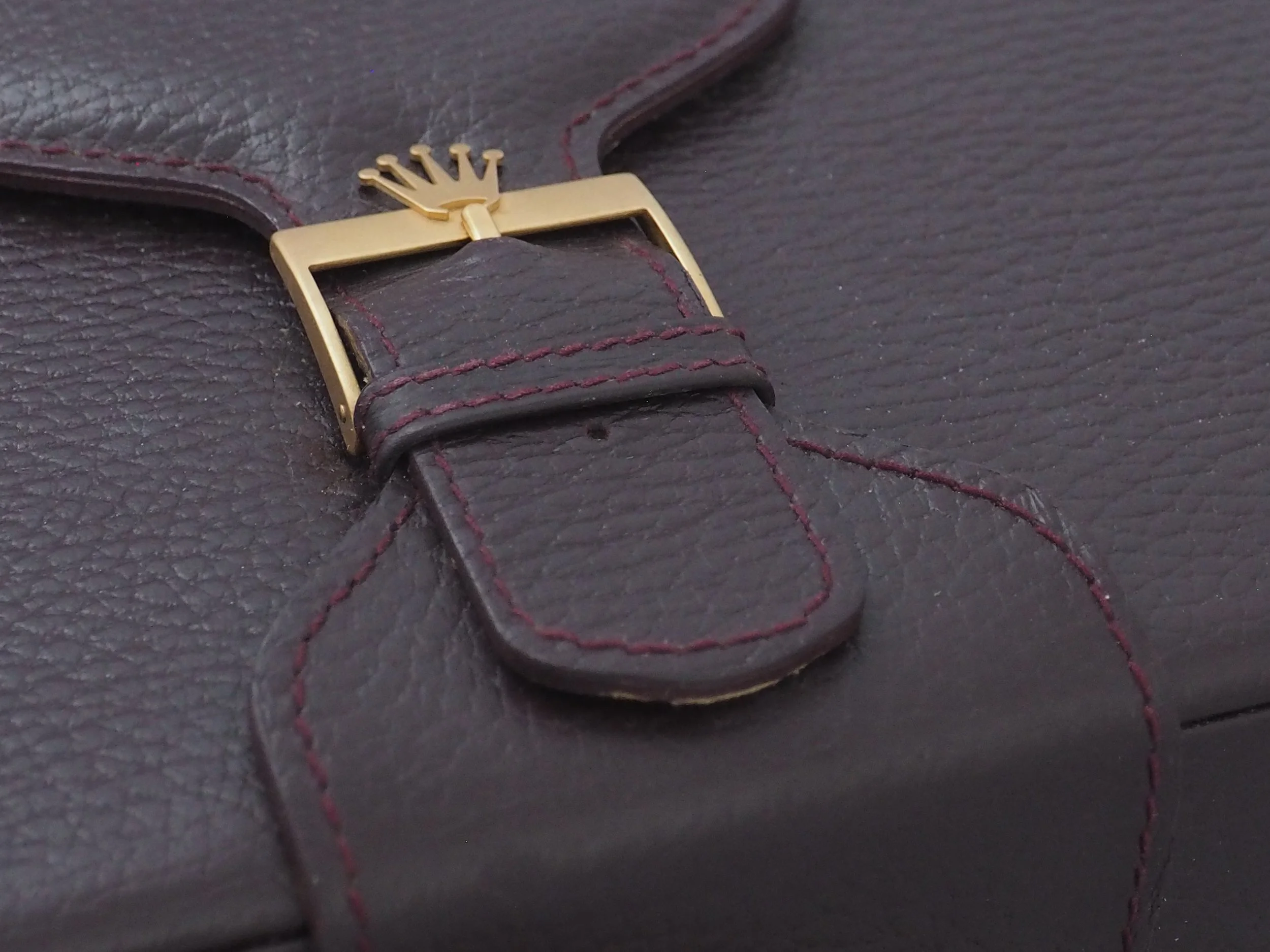 Image 10 of 10